
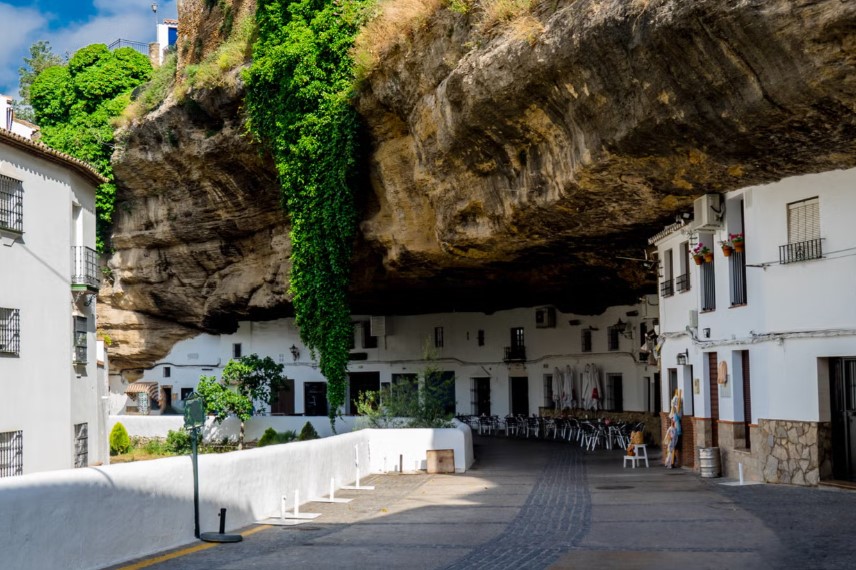
Explore sustainable tourism in Spain with Andalusia Travel Tour. From supporting local economies to preserving natural environments, discover ecotourism and cultural practices. Learn how Global Sustainable Tourism Council (GSTC) principles guide responsible tourism and join us in minimising our impact while preserving the beauty of southern Spain for future generations.
Table of Contents
Defining Sustainability
Sustainability ensures a balance between environmental, social, and economic benefits without compromising resources for future generations. This concept extends beyond business profitability to include ecological preservation and social well-being.
Understanding Sustainable Tourism
Sustainable tourism encompasses the entire tourism experience, addressing economic, social, and environmental issues while enhancing tourists’ experiences and meeting the needs of host communities. At Andalusia Travel Tour, we are taking steps towards sustainable tourism and encourage tourists to join our vision.
What sustainable tourism looks like at Andalusia Travel Tour
Talk is cheap in sustainability, so here is what we actually do:
- Local by definition: our guides are official local professionals from Granada, Málaga, Córdoba and Seville — your money stays in the region.
- Small groups, lower impact: we prioritise small-group and private formats over 50-seat coach operations, and whenever possible, we use hybrid buses.
- Local suppliers first: family-run restaurants, locally owned hotels and producers (like the olive oil mills and wineries we feature in our tours).
- Fighting overtourism with timing: we actively promote shoulder-season travel — see our month-by-month guide — and quieter alternatives to saturated spots.
- Paperless operations: digital tickets and documentation.
- Reducing plastic waste: We encourage the use of reusable water bottles and, whenever possible, include stops at local fountains and refill points during our tours to help avoid single-use plastics.
- Supporting local communities: We include experiences in smaller Andalusian villages, away from the main tourist routes, where travellers can meet local artisans, enjoy traditional music, and discover authentic local life.
- Tailored experiences: These local encounters are arranged according to your dates and interests, allowing us to create more meaningful and authentic experiences.
We’re not perfect, and we’re not certified yet. But every itinerary we design starts with these principles. Tour operators and agencies: if sustainability criteria are part of your supplier vetting, talk to us — we’re happy to detail our practices.
A Note on Sustainable and Regenerative Tourism
Sustainable tourism and regenerative tourism share the same ethical foundation — protecting the environment, respecting cultures, and supporting local communities. Sustainable tourism focuses on ensuring that travel activities can continue indefinitely without depleting natural or cultural resources, prioritising the reduction of negative impacts such as waste, overconsumption, and environmental degradation. It’s about maintaining balance so destinations remain healthy and accessible for future generations.
Regenerative tourism goes beyond preservation to actively improve and revitalise the places we visit. Its goal is to leave destinations better than we found them — whether by restoring ecosystems, reviving cultural heritage, or strengthening local economies. While sustainable tourism is often the essential first step, regenerative tourism builds upon it, turning responsible travel into a force for renewal and positive transformation.
The purpose of this post is to focus on sustainable tourism as a first step, while laying the groundwork for future discussions on regenerative tourism. In our travel blog and within our service portfolio, we will address both concepts in the context of travelling in Southern Spain — exploring how they can shape more mindful, impactful journeys. If you need more information or wish to discuss these ideas further, please feel free to reach out.
Watch our video below to learn more about our initiatives.
Examples of Sustainable Tourism in Spain
Boosting the Local Economy and Promoting Culture
Supporting local products and services boosts the local economy. Engaging with the destination’s cultural legacy from a position of respect and understanding highlights the importance of nature and people. Malaga, a leading destination, pays special attention to this, welcoming large numbers of travelers each year.
Ecotourism
Activities like cycling, hiking, and responsible outdoor excursions to spot local flora and fauna, as well as wine and gastronomic tourism featuring locally sourced and seasonal products, are becoming increasingly popular in Andalucia. From hiking El Caminito del Rey to enjoying olive oil tastings, there are countless ways to experience the region beyond its main attractions — see our 21 Best Things to Do in Andalusia.
Respecting the Natural World
Sustainable tourism involves respecting nature in every way. Simple actions like not littering, reducing single-use plastics, minimizing unnecessary transfers, and choosing public transport help lower our impact on ecosystems. Whenever possible, we should also help conserve these environments.
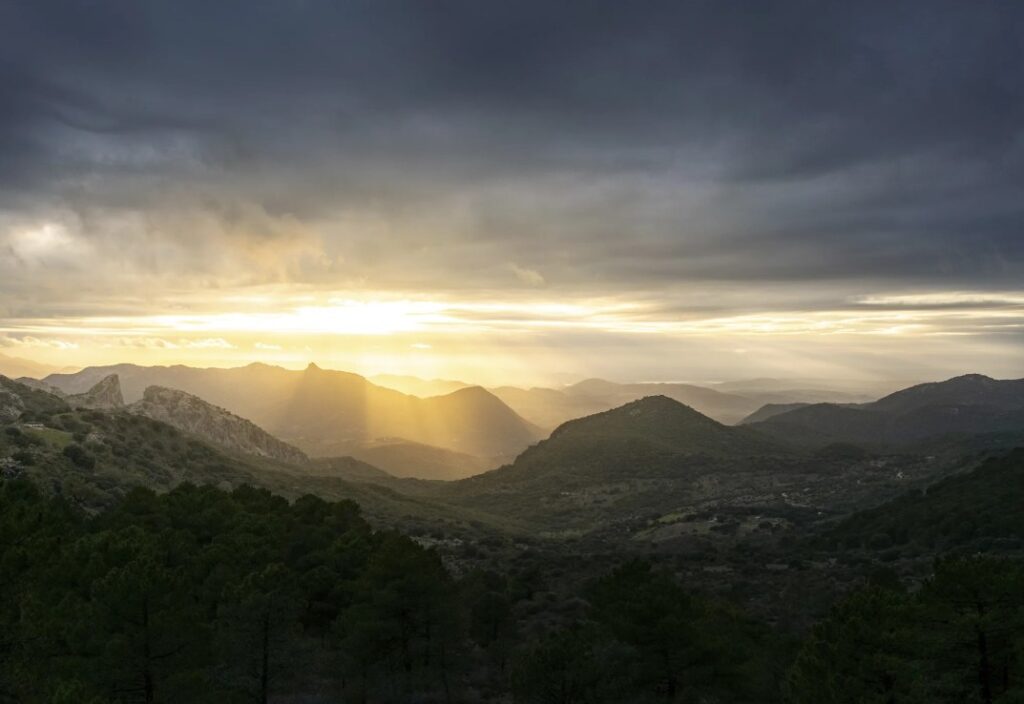
Key Practices for Sustainable Tourism in Spain
To practice sustainable tourism effectively, consider these actions:
- Reduce Single-Use Plastics: Opt for reusable alternatives to minimize plastic waste.
- Water Conservation: Be mindful of water usage to support local conservation efforts.
- Support Local Economies: Purchase locally made goods and services to benefit community economies.
- Choose Ethical Operators: Select tour operators committed to sustainability and responsible practices.
- Respect Local Wildlife: Avoid feeding or disturbing animals in their natural habitats.
- Cultural Sensitivity: Engage respectfully with local customs and traditions, avoiding cultural appropriation.
Pillars of Sustainable Tourism
The Global Sustainable Tourism Council (GSTC) identifies four pillars of sustainable tourism:
1. Sustainable Management
This pillar focuses on the business practices of travel companies and destinations. It ensures that they are operating in a way that is mindful of their social, environmental, and economic impacts. Some examples include:
- Having a sustainability policy in place
- Measuring and managing resource consumption
- Investing in local communities
2. Socioeconomic Impacts
This pillar looks at the tourism industry’s impact on local people and communities. It aims to ensure that tourism benefits local economies and empowers communities. Some examples include:
- Employing local people
- Supporting local businesses
- Investing in education and training programs
3. Cultural Impacts
This pillar addresses the tourism industry’s impact on local cultures and heritage. It ensures that tourism respects and preserves local cultures and traditions. Some examples include:
- Protecting cultural heritage sites
- Supporting local crafts and artisans
- Promoting cultural understanding between visitors and locals
4. Environmental Impacts
This pillar focuses on the tourism industry’s impact on the environment. It aims to minimize tourism’s negative environmental impacts and protect natural resources. Some examples include:
- Conserving water and energy
- Reducing pollution
- Protecting biodiversity
Conclusion
As tourism grows, it’s crucial to invest in the resilience of communities and ecosystems affected by climate change and overtourism. By adopting sustainable practices, travelers can minimize their footprint while supporting global conservation efforts. Sustainable tourism is not just a trend but a responsibility. By embracing sustainable practices, travelers can explore the world responsibly and ensure its beauty endures for future generations.
Andalusia Travel Tour stresses the importance of reducing our carbon footprint. We encourage travelers to venture off the usual routes, respect cultural differences, invest in communities, reconnect with nature, and support organizations protecting the planet.
A key goal of ATT is to delve deeper into sustainable tourism, providing resources, practical tips, and destination advice for travelers seeking to explore Andalucia’s beauty while leaving a lighter footprint. Planning a trip to Southern Spain? Contact us for more information. Discover the top 4 reasons to choose us for your Andalusian travels — watch the video below to find out more!