
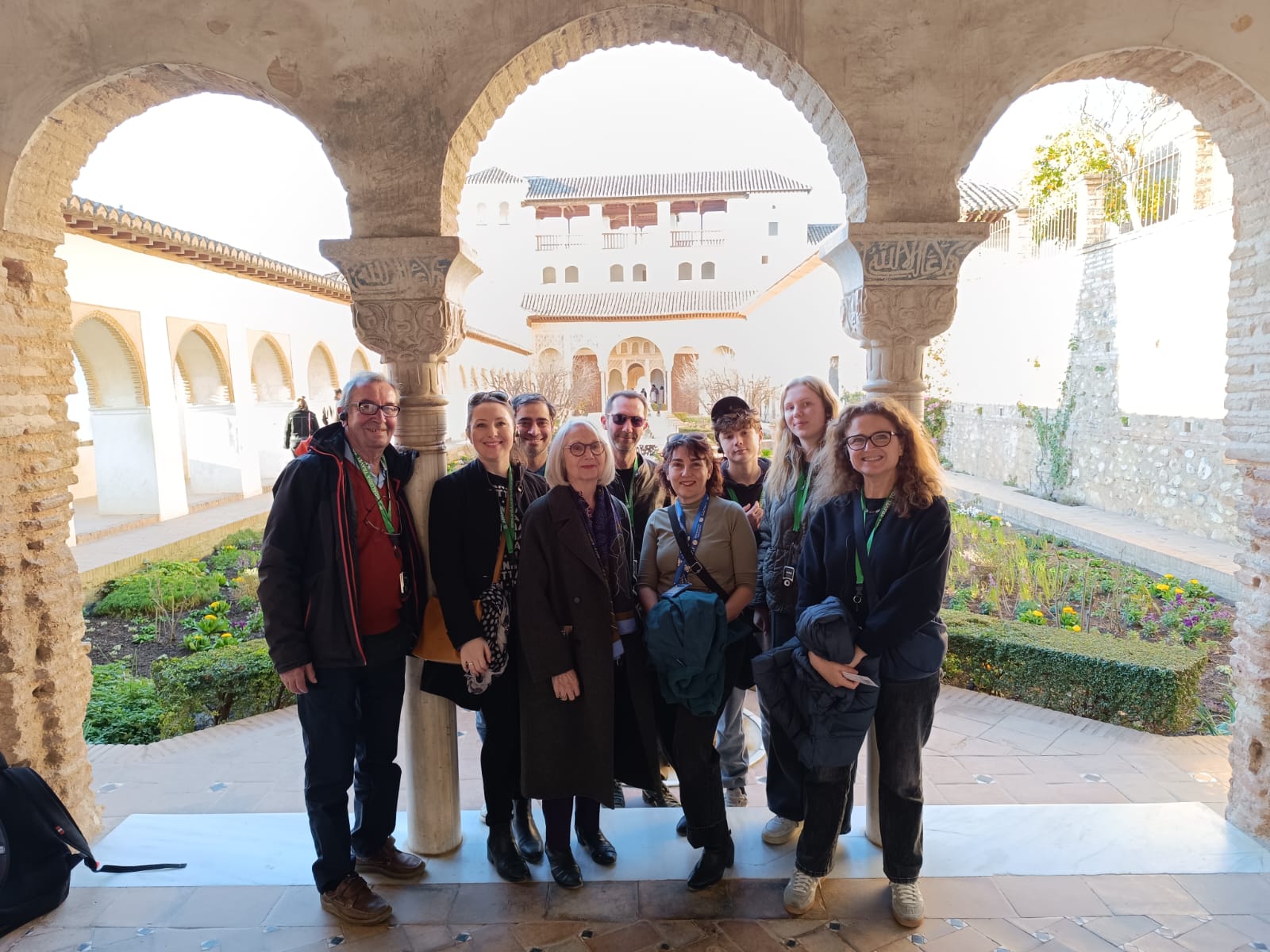
For those looking for a short answer: The best time of year to visit Andalusia is in the spring and early summer (April-June) and autumn (September-October) for abundant activities, and good weather.
For those looking for a more elaborate response: Andalusia, with its rich history, culture, and diverse landscapes, is a top destination for many travelers. However, determining the best time to visit Andalusia can significantly impact your experience. Known for its warm climate, beautiful beaches, tapas and outstanding monuments, Andalusia offers something for everyone. This guide will help you decide the best time to plan your visit based on weather and activities.
Table of Contents
When is the best time to visit Andalusia?
Andalusia has its own climate logic: Europe’s hottest summers inland, its mildest winters on the coast, and two glorious in-between seasons. Below you’ll find the season-by-season picture — and further down, the full month-by-month breakdown with temperatures, crowds and what’s happening in each month.
For first-time visitors, we recommend you to check out our article “21 Best Things to Do in Andalucía” which includes Andalusia’s most important and beautiful places to visit. For more insights on the high and low seasons, check out this brief video.
Spring (March to May)
Spring is often considered the best time to visit Andalusia. The weather is pleasantly warm, making it ideal for sightseeing and outdoor activities.
Weather: In spring, temperatures range from 12°C (54°F) in March to 25°C (77°F) in May. The days are longer, allowing more time to explore.
Activities: Spring is perfect for exploring historical sites and hiking in the Sierra Nevada mountains. It’s also a great time to visit the Alhambra in Granada or the Mezquita in Cordoba before the summer crowds arrive. The usual highlights of spring will include:
- Semana Santa (Holy Week): This major religious event features elaborate processions in cities like Seville, Málaga, and Granada.
- Feria de Caballo: Jerez de la Frontera hosts this famous horse fair in May, featuring equestrian shows and sherry tastings.
If you plan to visit the Alhambra, book your tickets months in advance. The Alhambra in Granada is not only the most visited monument in Spain currently, but it is also among the 10 most visited monuments in the world. Check out our 15 tips for visiting the Alhambra, including how to book your tickets.
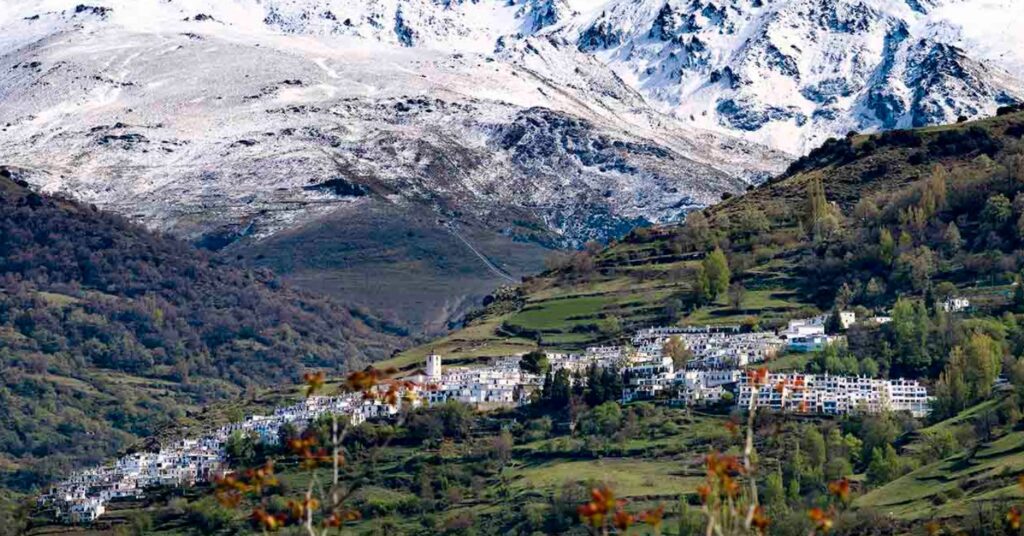
While in the region, don’t miss the opportunity to explore the Alpujarra, one of the most picturesque areas in the province of Granada. Situated in the foothills of the Sierra Nevada National Park, the Alpujarra is renowned for its white villages, offering stunning landscapes and a tranquil escape from the bustling city.
Summer (June to August)
Summer in southern Spain is hot and bustling with tourists. It’s the peak season, especially for beachgoers.
Weather: Temperatures can soar to 40°C (104°F) in July and August. Coastal areas like Motril, Marbella, Malaga, Conil, or Cabo de Gata offer some relief with cooler sea breezes.
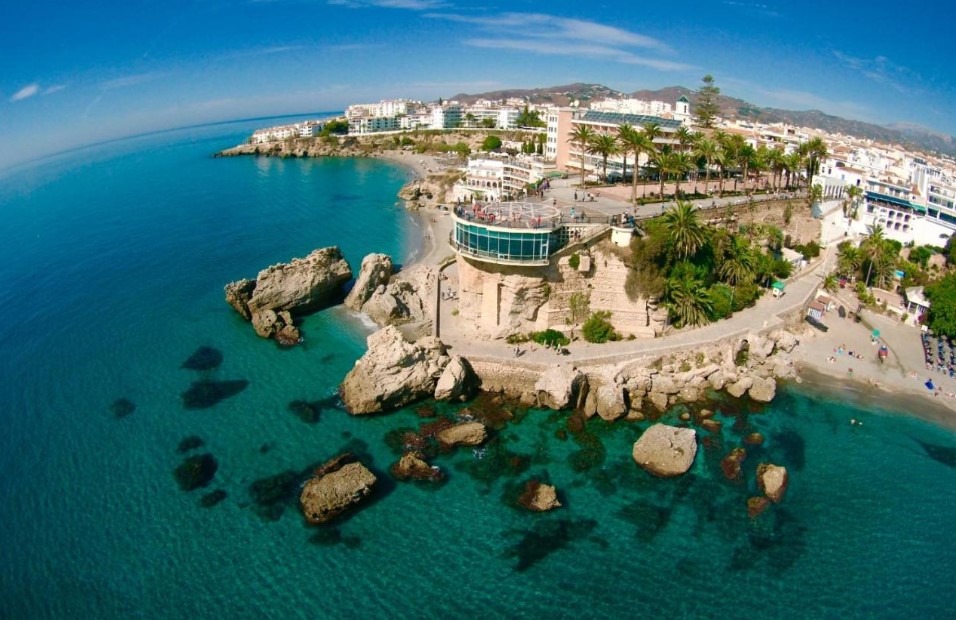
Activities: Summer is ideal for beach activities along the Costa del Sol. Be prepared for crowded beaches and book accommodations well in advance. Enjoy water sports, visit water parks, or simply relax on the sandy shores. Our recommendation is to visit Nerja. What really sets Nerja apart is its Balcon de Europa, a balcony above a cliff that overlooks the Mediterranean and serves as the focal point of the town. It offers magnificent views up and down the coast.
Autumn (September to November)
Autumn is another excellent time to visit southern Spain. The weather is still warm, but the summer crowds have thinned out.
Weather: Temperatures range from 21°C (70°F) in September to 17°C (63°F) in November. It’s generally sunny with occasional rain showers.
Activities: Autumn is perfect for outdoor activities such as hiking and sightseeing. It’s also grape harvest season, making it an ideal time to visit wineries and vineyards. Additionally, the olive oil harvest in Spain, especially in the Mediterranean region, starts in mid-October and ends around mid-November. This is a great time to explore local olive oil production and taste fresh, high-quality olive oil.
Winter (December to February)
Winter is the off-season (or low season) in southern Spain, offering a more relaxed atmosphere and fewer tourists. If you do not care much about temperatures and want to benefit from low crowds and better prices, winter is a great time to visit Andalusia. Sports enthusiasts can enjoy golf courses or ski resorts.
Weather: Winter temperatures are mild, ranging from 10°C (50°F) to 15°C (59°F). Coastal areas remain relatively warm, while the interior can be cooler and rainy.
Activities: Winter is an excellent time to explore cities without the summer heat or crowds. Enjoy cultural activities, visit museums, and try local cuisine. Winter is also the ski season in Sierra Nevada, providing opportunities for winter sports enthusiasts.
Andalusia Month by Month: Weather, Crowds and What’s On
Every month in Andalusia offers something different. From snowy mountains and lively festivals to quiet villages, beach days, and cultural experiences, there is no single “best” time to visit — it depends on what kind of trip you are looking for.
Here is the honest month-by-month breakdown we share with our own guests.
Andalusia in January
Average temperatures: 12–17°C
January is one of the quietest months to visit Andalusia. While the coast remains mild enough for outdoor lunches and relaxed sightseeing, the Sierra Nevada enters its peak ski season.
One of the highlights of the month is the Three Kings Parade (5th January), a traditional celebration that takes place in towns and cities across Andalusia and is often more important locally than Christmas Day itself.
This is a great month for culture, lower prices, and avoiding crowds.
If you are planning to visit the Sierra Nevada ski resort, we recommend checking the snow conditions before travelling. It is one of the highest ski resorts in Europe, located between 2,000 and 3,300 metres above sea level. On a clear sunny day, from the summit of the Veleta peak, it is even possible to see the coast of Africa in the distance. However, keep in mind that while the altitude is impressive, the snow quality may not always match the conditions found in the major Alpine ski resorts.
Andalusia in February
Average temperatures: 13–18°C
February brings the first signs of spring, with almond blossoms colouring the countryside and beautiful landscapes across rural Andalusia.
The highlight of the month is the Cádiz Carnival, one of Spain’s most famous and entertaining festivals.
Perhaps this is an underrated month with authentic local experiences and fewer visitors.
A small note: to fully appreciate one of the main elements of Cádiz Carnival — the famous chirigotas (satirical musical groups) — a good level of Spanish is helpful. However, even without understanding every joke, the atmosphere and creativity of the festival are great.
Andalusia in March
Average temperatures: 15–21°C
March marks the beginning of spring in Andalusia. The weather becomes increasingly pleasant, landscapes turn greener, and outdoor activities become much more enjoyable.
Some years, Semana Santa (Holy Week) falls at the end of March (as in 2027). If this happens, accommodation should be booked several months in advance.
For travellers looking to enjoy Andalusia with good weather while avoiding the busiest months, March is one of our favourite recommendations. Keep an eye out for special offers and better availability compared with April and September.
Andalusia in April
Average temperatures: 17–24°C
April is arguably the most spectacular month to visit Andalusia. The region is in full bloom, temperatures are ideal for sightseeing, and two of the biggest celebrations of the year take place: Semana Santa and Feria de Abril in Seville.
Our verdict: Probably the best month weather-wise — but also the month that requires the most advance planning.
Semana Santa is a unique experience, with religious processions taking place throughout Andalusia, not only in Seville. Cities such as Málaga, Granada, Córdoba, and many smaller towns have their own traditions and celebrations.
The Feria de Abril is different: it is mainly a Seville event. During this period, accommodation availability becomes extremely limited, and many hotels prioritise individual bookings rather than large groups.
Andalusia in May
Average temperatures: 20–27°C
May is one of our favourite months overall. The weather is warm but still comfortable, making it perfect for cultural visits, hiking, and outdoor experiences.
The highlight is the Córdoba Patios Festival, usually held during the first half of May. This unique celebration allows visitors to enter private courtyards that local families carefully maintain throughout the year. These beautiful patios, filled with flowers, compete in an official competition, with judges selecting the best examples.
Jerez’s Feria del Caballo is another excellent cultural event during this month.
Andalusia in June
Average temperatures: 25–32°C
June marks the beginning of summer. Days are long, beaches become more attractive, and many towns celebrate San Juan Night (23rd June) with bonfires and festivities along the coast.
In our opinion, ideal for combining culture and beach time.
In recent years, June has become increasingly warmer, so we recommend balancing sightseeing with relaxed activities, coastal visits, and avoiding the hottest hours of the day.
Andalusia in July
Average temperatures: 30–36°C (and often above 40°C inland)
July is perfect for enjoying Andalusia’s coastline, but inland sightseeing requires careful planning. Cities such as Seville and Córdoba can experience extreme heat.
Excellent for beaches; challenging for intensive cultural itineraries.
If visiting major monuments during July, we strongly recommend early morning visits or late afternoon schedules. Good sun protection, a hat, and plenty of water are essential.
Andalusia in August
Average temperatures: Similar to July
August brings the highest temperatures and coincides with the main Spanish holiday period. Many locals head to the coast, while some inland cities become surprisingly quiet.
One of the main highlights is Málaga Feria, a week-long celebration combining concerts, traditions, and street festivities.
Our verdict: Great for beaches and festivals, less ideal for long sightseeing days.
Traditionally, many Spaniards take their holidays during the first two weeks of August, meaning coastal areas are extremely lively while some city centres become much quieter.
Andalusia in September
Average temperatures: 26–31°C
September is one of the most popular months for visiting Andalusia. The sea is at its warmest, temperatures become more comfortable, and the summer crowds start decreasing after mid-month.
The grape harvest season also begins, offering excellent opportunities for wine-related experiences.
September is similar to April in terms of demand. Many travellers choose this month for cultural trips, so we strongly recommend booking accommodation and major attractions well in advance. Popular monuments and experiences can sell out.
Andalusia in October
Average temperatures: 20–26°C
October offers beautiful golden light, pleasant temperatures, and the beginning of the harvest season. Although occasional rain may appear towards the end of the month, Andalusia remains one of Europe’s sunniest regions.
Our verdict: An excellent month for sightseeing.
Demand has increased significantly in recent years, and October is now almost as popular as September. Advance planning is recommended, especially for attractions such as the Alhambra, where tickets can sell out months ahead.
Andalusia in November
Average temperatures: 15–20°C
November is a quieter and more authentic time to visit. The olive harvest reaches its peak, making it the perfect month for olive oil mill visits and tastings.
There are many excellent olive oil experiences throughout Andalusia. One of the most well-known is La Organic in Ronda, which combines olive oil production with a beautiful setting.
Andalusia in December
Average temperatures: 12–17°C
December brings a special atmosphere to Andalusia. Málaga is famous nationwide for its Christmas lights, while Jerez celebrates traditional zambombas — flamenco Christmas gatherings with singing and local traditions.
The Sierra Nevada ski season also begins, offering the unusual possibility of enjoying snow in the morning and the Mediterranean coast in the afternoon.
Almost every major city in Andalusia has Christmas markets and seasonal activities, making December a wonderful time to experience the region from a different perspective.
Planning around a specific season? Spring and autumn dates for our Andalusia travel packages are the first to sell out — if your trip falls in April, May, September, or October, we recommend booking early. And if you’re based on the coast, check out our best day trips to make the most of your visit in any month.
Conclusion: The Best Time for Your Visit
The best time to visit southern Spain largely depends on your preferences:
- Spring (March to May): Ideal for pleasant weather, cultural activities, and outdoor activities.
- Summer (June to August): Perfect for beach lovers and those seeking lively festivals, but expect higher prices and more tourists.
- Autumn (September to November): Great for warm weather, fewer tourists, and cultural activities.
- Winter (December to February): Best for a relaxed, less crowded experience and winter sports.
Want the detail? Jump back to the month-by-month guide above.
Southern Spain’s rich culture and history will captivate you any time of year. However, we believe the best times to visit Andalusia are in spring and autumn. Plan your trip according to your interests and book well in advance. If you need help, feel free to reach out to us.